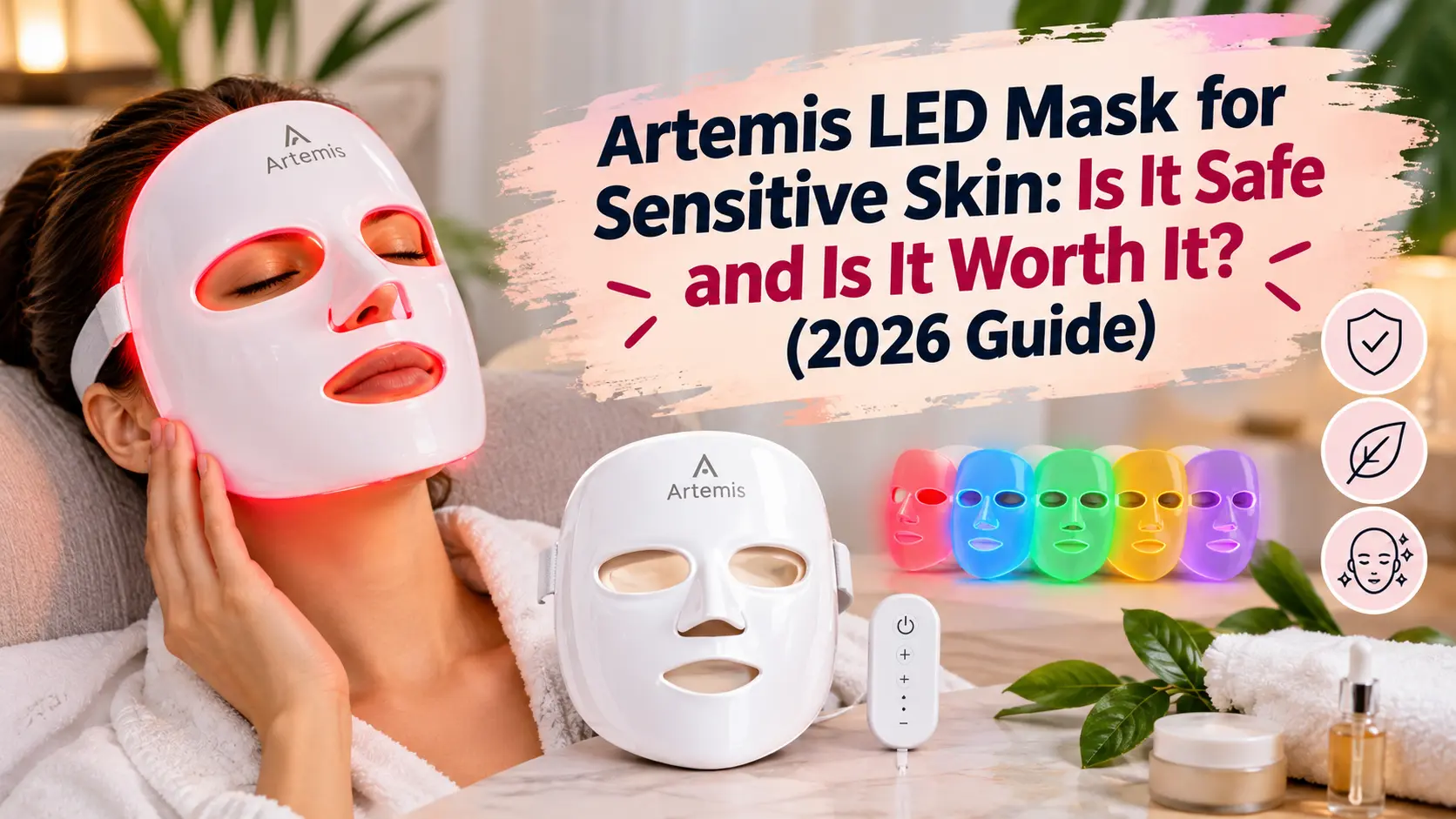
If your skin gets red, stings easily or reacts to many skincare products, you may wonder if the Artemis LED Mask is a good choice.
LED light therapy is usually gentler than acids or retinoids because it uses light instead of strong ingredients. However, sensitive skin can still react to heat, certain light settings or medical conditions.
In this guide, you will learn whether the Artemis LED Mask is suitable for sensitive skin, which light modes are best to start with and how to use it safely.
What Is the Artemis LED Mask?
Artemis is a silicone LED face mask from Renpho. Renpho's launch page describes 324 high-density LEDs, three light wavelengths (red, blue and near-infrared) and coverage that wraps below the chin. The same page lists a launch price of $199.99, so check current pricing before you buy.
There are also different versions on the market. Always check the exact Artemis model you are buying, as features and light modes may vary between versions.
3 LED Face Masks to Consider in 2026
RENPHO Artemis LED Face Mask
RENPHO Artemis is a flexible silicone LED mask designed for at-home light therapy. It uses red and near-infrared light for concerns such as fine lines and skin firmness, while its blue-light mode is aimed at acne and breakouts. The mask has 324 LEDs, adjustable intensity levels and 10-, 20- or 30-minute sessions.
Pros
3 light modes: Red, blue and near-infrared in one mask.
Soft silicone design: Flexible and comfortable for at-home use.
Cons
Can feel warm: Heat may be uncomfortable for very reactive or redness-prone skin.

RENPHO Artemis LED Light Therapy Mask
A versatile LED face mask featuring red, blue, and near-infrared light therapy to help reduce fine lines, support clearer skin, and improve overall radiance. Comfortable silicone design with adjustable intensity and treatment modes.
Omnilux Contour Face LED Mask
Omnilux Contour Face is a flexible silicone LED mask that uses red and near-infrared light at 633nm and 830nm. It is designed for concerns such as fine lines, redness and skin texture, with quick 10-minute sessions that make it easy to add to a regular skincare routine.
Pros
Red + near-infrared light: Targets fine lines, redness and overall skin texture.
Flexible silicone design: Lightweight and comfortable for regular 10-minute sessions.
Cons
No blue light: Not the best fit if acne treatment is your main goal.
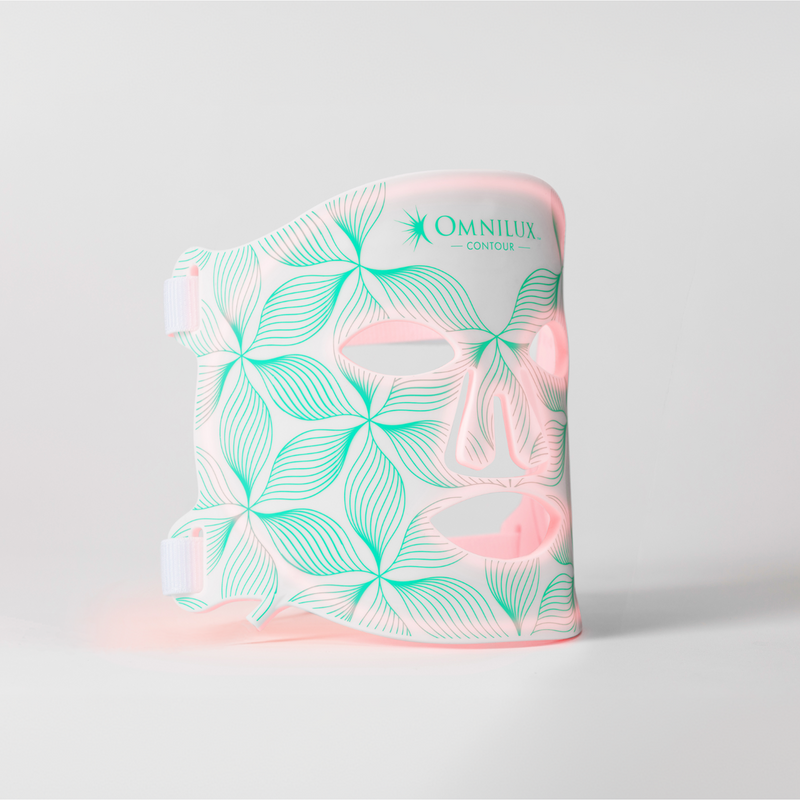
Omnilux Contour Face LED Mask
A versatile LED face mask featuring red, blue, and near-infrared light therapy to help reduce fine lines, support clearer skin, and improve overall radiance. Comfortable silicone design with adjustable intensity and treatment modes.
CurrentBody Skin LED Red Light Therapy Face Mask:
Series 2 uses red, near-infrared and deep near-infrared light at 633nm, 830nm and 1072nm. It has 236 LEDs, flexible silicone coverage and a 10-minute treatment designed for regular at-home use.
Pros
Three red-light wavelengths: Targets fine lines, firmness, skin tone and texture.
ProsFull-face flexible coverage: Designed to sit closely against the skin for more consistent light coverage.
Cons
Premium price: It costs considerably more than many basic LED masks.
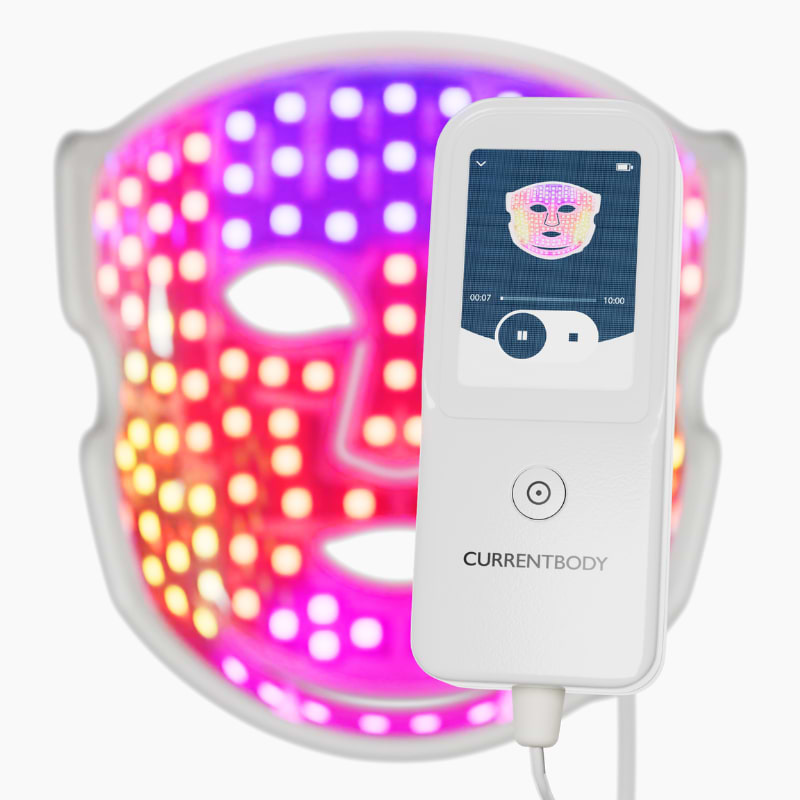
CurrentBody Skin LED Therapy Mask
Advanced LED mask with multiple clinically recognized wavelengths targeting wrinkles, redness, pigmentation, and blemishes. Customizable treatment modes help create a personalized skincare routine.
How LED Light Therapy Works on Skin
Each colour of light is aimed at a different concern:
Red light: Often used for collagen support, fine lines and general skin tone. Renpho's product page links red light to collagen production and improved circulation.
Near-infrared (NIR): Penetrates deeper and is associated with skin repair and calming. It's usually run alongside red light.
Blue light: Targets acne-causing bacteria. It's the mode most likely to feel drying on delicate skin.
Green light: Marketed for evening out skin tone and soothing redness, where a mask includes it. One retailer describes green and infrared together as helping even skin tone and soothe redness.
None of these involve UV light, which is why LED masks are so popular with people who can not tolerate harsh treatments.
Is the Artemis LED Mask Good for Sensitive Skin?
Potential upsides
No active ingredients. There are no acids, retinoids or fragrances, which are the usual triggers.
Soft silicone build. A T3 reviewer called the Artemis comfortable to wear and easy to use, which matters if rigid masks irritate you.
Low-intensity sessions. Home LED masks are designed for short, repeated use, not aggressive one-off treatments.
Redness-friendly modes. Red and near-infrared are the modes most people with reactive skin start with.
Where sensitive skin can still struggle
Warmth. A mask worn for 10–20 minutes can feel warm and heat can flush rosacea-prone skin.
Blue light dryness. Some people with a damaged skin barrier notice tightness after blue mode.
Medication interactions. Some medications and topicals make skin more light-sensitive.
Pressure and friction. A too-tight strap can irritate skin that's already inflamed.
I could not find any independent clinical evidence that the Artemis specifically is proven safe for all sensitive skin types, so treat manufacturer claims as a starting point. Manufacturers also can not replace advice from your own dermatologist.
Who Should Talk to a Dermatologist First
Check with a professional before using any LED mask if you:
Take isotretinoin or use prescription retinoids or other photosensitising medication
Have rosacea, lupus or a light-triggered skin condition
Are prone to melasma or hyperpigmentation
Have epilepsy or a history of light-triggered seizures
Are pregnant or have an active skin infection or open wounds
Have had recent lasers, peels or microneedling
How to Use the Artemis Mask If Your Skin Is Sensitive
1. Start slowly. Try a short session first and watch for redness, stinging or unusual heat over the next 24 hours. If your skin reacts well, follow the manufacturer's recommended session length and frequency.
Clean, bare skin only. Remove makeup, sunscreen and actives beforehand. Skip retinoids and acids on treatment days at first.
Use the eye protection. The Blush kit lists eye cups in its contents. Use them and keep your eyes closed.
Moisturise afterward. A plain, fragrance-free barrier cream helps.
Stop if you have persistent burning, swelling, rash or worsening redness.
How Long Until You See Results?
LED therapy is a slow game. Most brands suggest consistent use over several weeks before judging results and changes tend to be subtle: brighter tone, slightly calmer redness, smoother texture. If someone promises overnight transformation, be skeptical. Take a photo in the same lighting every week to judge honestly.
Final Thoughts
The Artemis LED Mask can be a good option for sensitive skin because it uses light instead of harsh ingredients like acids, retinoids or fragrances. However, sensitive skin varies from person to person, so no LED mask is guaranteed to work for everyone.
Frequently Asked Questions
Yes, it is generally gentle, but start with short sessions and monitor your skin's response.
Red light and near-infrared are usually the safest options for beginners.
Start with 2–3 sessions per week and increase only if your skin tolerates it well.