
If you're looking for skincare for kids, it can be hard to know what's actually needed. Many tweens are also seeing adult skincare products like retinol, vitamin C exfoliating acids on social media, but these aren't usually suitable for young skin.
This guide makes things simple by explaining skincare by age, what ingredients to avoid what kids actually need. For ongoing skin problems like eczema, acne rashes, it's best to talk to a pediatrician or dermatologist.
The Main Rule: Kids Skin Needs Less
Kids' skin is more sensitive than adult skin, so a simple routine is usually best. I'd focus on gentle cleansing, keeping the skin moisturized protecting it from the sun.
There's usually no need for products made for anti-aging, brightening exfoliating. Simple skincare is often the better choice for young skin.
Does My Child Really Need a Skincare Routine?
For most kids, skincare doesn't need to be complicated. A gentle cleanser, moisturizer, and sunscreen are usually enough. If your child's skin is healthy, there's no need to add extra products just because they're popular online.
Sun Protection: The One Non-Negotiable at Every Age
Sunscreen is important at every age. I'd recommend using a broad-spectrum SPF 30 or higher to help protect young skin from sun damage.
Don't rely only on SPF in a moisturizer or makeup product. A proper sunscreen is a better choice for daily sun protection.
Is “Natural” Always Better for Kids?
Not always. Natural doesn't automatically mean safer because some natural ingredients and essential oils can still irritate sensitive skin.
I'd suggest choosing products with simple ingredients and looking for fragrance-free or hypoallergenic options instead of relying only on the word “natural.”
Best Kids Skin Care by Age Group
Ages 3–7: Keep It Simple
At this age, kids usually need just three basics: a gentle cleanser, fragrance-free moisturizer sunscreen for outdoor time.
Aveeno Kids Face & Body Wash is one gentle option to consider. For moisturizer, I’d suggest simple ingredients like shea butter or ceramides instead of strong treatment products.
What matters most at this age: Keep the routine simple and make washing and sun protection a daily habit.
Ages 8–12: Build Simple Habits
At this age, kids may start noticing changes in their skin and want their own skincare routine. That’s fine — just keep products gentle and age-appropriate.
A simple cleanser, moisturizer daily SPF are good basics. Evereden’s Kids Happy Face Duo is one option to consider for this age group.
What matters most at this age: Build a simple morning and night routine, use SPF daily explain why strong adult skincare products aren't needed yet.
Ages 13+: Keep It Simple
Teen skin can become more prone to acne and breakouts because of hormonal changes. I’d suggest starting with a gentle cleanser, moisturizer daily SPF rather than strong skincare products.
For occasional breakouts, a mild cleanser may be enough. If acne becomes persistent or severe, it’s better to see a dermatologist instead of trying stronger products on your own.
What matters most at this age: Keep the routine simple, use SPF daily get professional advice if acne continues.
Ingredients Kids Should Avoid
For kids, I'd keep skincare simple and gentle. It's best to avoid:
Retinol and retinoids — made for adult skincare and can irritate young skin.
Strong exfoliating acids — adult-strength AHAs and BHAs may be too harsh.
Fragrance — can cause irritation, especially on sensitive skin.
Anti-aging or brightening products — these are designed for adult skin, not children.
A Few Gentle Products Worth Considering by Age
These pull from the same categories covered above — cleanser, moisturizer, sunscreen — with a few widely recommended, fragrance-free options at each stage. As always, patch-test anything new and check with a pediatrician or dermatologist if your child has a specific skin condition.
Ages 3–7:
Aveeno Kids Face & Body Wash — A gentle, fragrance-free cleanser suited to daily washing without stripping young skin.
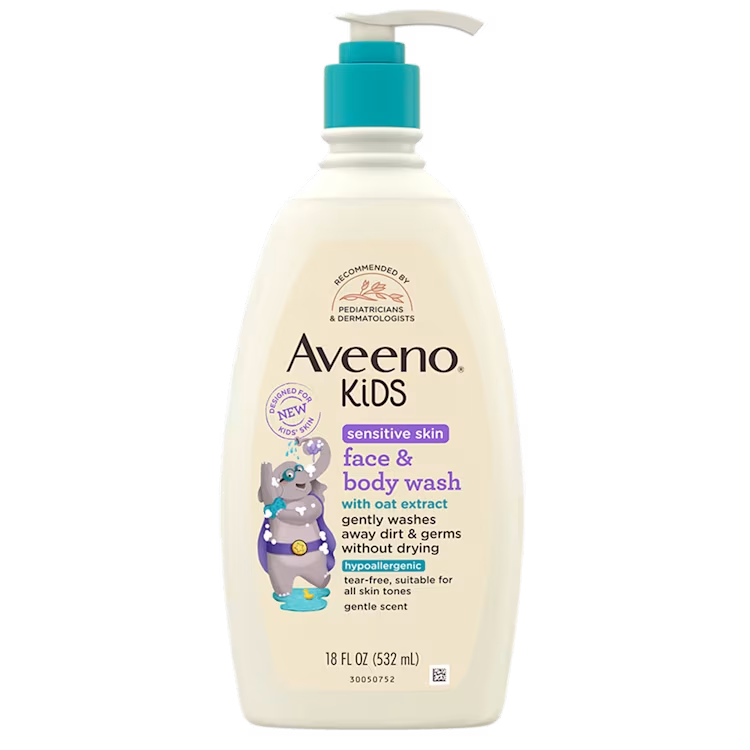
Aveeno Kids Sensitive Wash
A gentle daily wash made for kids with sensitive skin, designed to cleanse without unnecessarily drying the skin.
CeraVe Baby Moisturizing Lotion — A simple, ceramide-based moisturizer often recommended by dermatologists for keeping a young skin barrier hydrated.

CeraVe Baby Moisturizing Lotion
A gentle moisturizing lotion designed for baby's delicate skin, with a lightweight texture for everyday use.
Blue Lizard Sensitive Mineral Sunscreen — A fragrance-free, mineral (zinc oxide) sunscreen frequently recommended for kids with sensitive skin.
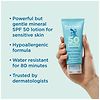
Blue Lizard Sensitive Mineral Sunscreen SPF 50
A mineral sunscreen designed for sensitive skin, offering broad-spectrum SPF 50 protection for everyday outdoor use.
Ages 8–12:
Evereden Kids Happy Face Duo — A simple cleanser-and-moisturizer set designed specifically for this age group.

Evereden Kids Happy Face Duo
A kid-friendly 2-step skincare set featuring a vitamin-enriched face wash and moisturizing face cream, designed to cleanse and hydrate young skin.
Cetaphil Gentle Skin Cleanser — A long-standing, dermatologist-recommended mild cleanser that works well as a first "own routine" product for tweens.

Cetaphil Gentle Skin Cleanser
A mild facial cleanser made for gentle everyday cleansing, suitable for normal to dry and sensitive skin.
La Roche-Posay Anthelios Mineral Sunscreen — A fragrance-free, broad-spectrum option that layers easily under other products.

La Roche-Posay Anthelios Ultra-Light Sunscreen SPF 50
A lightweight facial sunscreen designed for daily broad-spectrum sun protection with a comfortable, fast-absorbing feel.
Ages 13+:
CeraVe Hydrating Facial Cleanser — A ceramide and hyaluronic acid formula that cleanses without over-drying, a common issue with harsher teen-marketed acne washes.

CeraVe Hydrating Facial Cleanser
A gentle facial cleanser designed to remove dirt and makeup while helping maintain the skin's natural moisture barrier.
Neutrogena Hydro Boost Gel Cream — A lightweight, non-comedogenic moisturizer suited to normal-to-oily teen skin.

Neutrogena Hydro Boost Hydrating Gel Cream
A lightweight gel-cream moisturizer designed to provide everyday hydration with a refreshing, non-heavy feel.
Neutrogena Ultra Sheer Dry-Touch SPF — A widely available, non-greasy sunscreen that's easy to get teens to actually apply daily.

Neutrogena Ultra Sheer Dry-Touch SPF 55
A lightweight sunscreen lotion designed for broad-spectrum sun protection with a dry-touch finish for comfortable everyday wear.
Ingredient lists and formulations can change, and what works for one child's skin may not suit another's, so it's worth doing a small patch test before fully introducing any new product — and checking with a pediatrician if your child has known sensitivities or a diagnosed skin condition.
Common Concerns Parents Have (and Honest Answers)
New product causing irritation? : Introduce one product at a time so you can easily spot what may be causing the problem.
Can my tween use trending social media products? : I’d avoid adult-style active ingredients and choose age-appropriate options instead.
Does my child need a long skincare routine? : Not really. Cleanser, moisturizer SPF are usually enough. More products don’t always mean better results.
Frequently Asked Questions
Answer: A basic cleanse-moisturize-SPF routine is appropriate from a young age (often starting around toddler years with gentle, tear-free products); it's more about simplicity and consistency than starting at a specific "right" age.
Answer: Generally no, especially anything with active ingredients like retinol, strong exfoliating acids anti-aging formulas — these are designed and tested for adult skin, not developing children's skin can cause irritation.
Answer: Not automatically — natural ingredients are often gentler, but some can still cause irritation or allergic reactions. A short, simple ingredient list and fragrance-free formulation are more reliable safety signals than the word "natural" alone.
Answer: Sunscreen, without question. It's the one step nearly every dermatologist and pediatric skin resource agrees is non-negotiable at every age, given how much childhood sun exposure affects long-term skin health.