
Living in a small home can be hard when there is not enough space for furniture. A big sofa or bed can make a room feel crowded. Space-saving furniture helps you use your space better and keep your home tidy.
In this guide, you’ll find simple furniture ideas, helpful buying tips, and common mistakes to avoid. These ideas can help you make your small apartment or studio more comfortable in 2026.
Why Space-Saving Furniture Matters More
Homes are getting smaller while our needs are getting bigger. We work from home, we entertain, we store hobbies, and we want rooms that feel calm rather than crowded. Space-saving furniture solves this by doing two jobs at once, or by disappearing when you don't need it.
The benefits go beyond free floor space:
Rooms feel larger and brighter because clear floor area reads as openness.
Less clutter since every item has a built-in home.
More flexibility so one room can be an office by day and a guest room by night.
Better value when one smart piece replaces two or three ordinary ones.
1. Foldable Lazy Sofa Single Bed (6-Position Recliner)
Definition: This foldable floor sofa features six adjustable positions and can open flat for sleeping. It is suitable for small apartments, dorm rooms, and occasional guests.
Pros
Six adjustable positions for sitting and relaxing.
Folds flat for sleeping.
Suitable for compact living spaces.
Cons
Designed for one person.
Low seating height may not suit everyone.
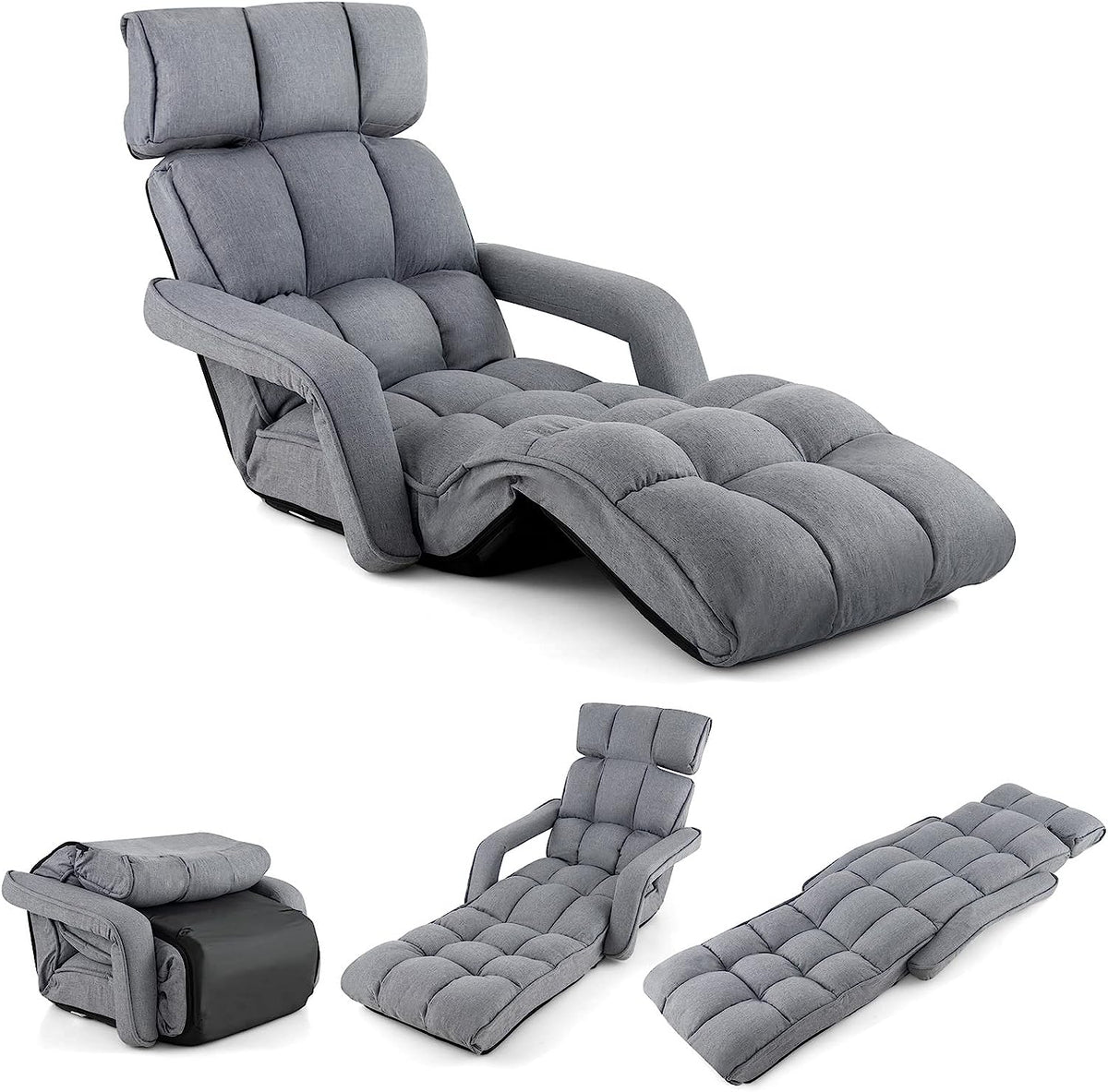
Foldable Lazy Sofa Chair with Adjustable Backrest and Footrest
Enjoy comfortable lounging with this 6-position adjustable floor chair. Its foldable design, adjustable backrest, and footrest make it suitable for relaxing, reading, gaming, or resting in small spaces.
2. Multifunctional 5-Position Folding Sofa Bed
Definition: This convertible floor chair works as a sofa for sitting and folds out into a bed for resting or accommodating an occasional guest. It also comes with a pillow.
Pros
Five adjustable positions for different activities.
Converts from a chair into a sleeping surface.
Includes a pillow for added convenience.
Cons
Offers fewer adjustable positions than some alternatives.
The sleeping surface may feel thin for some users.
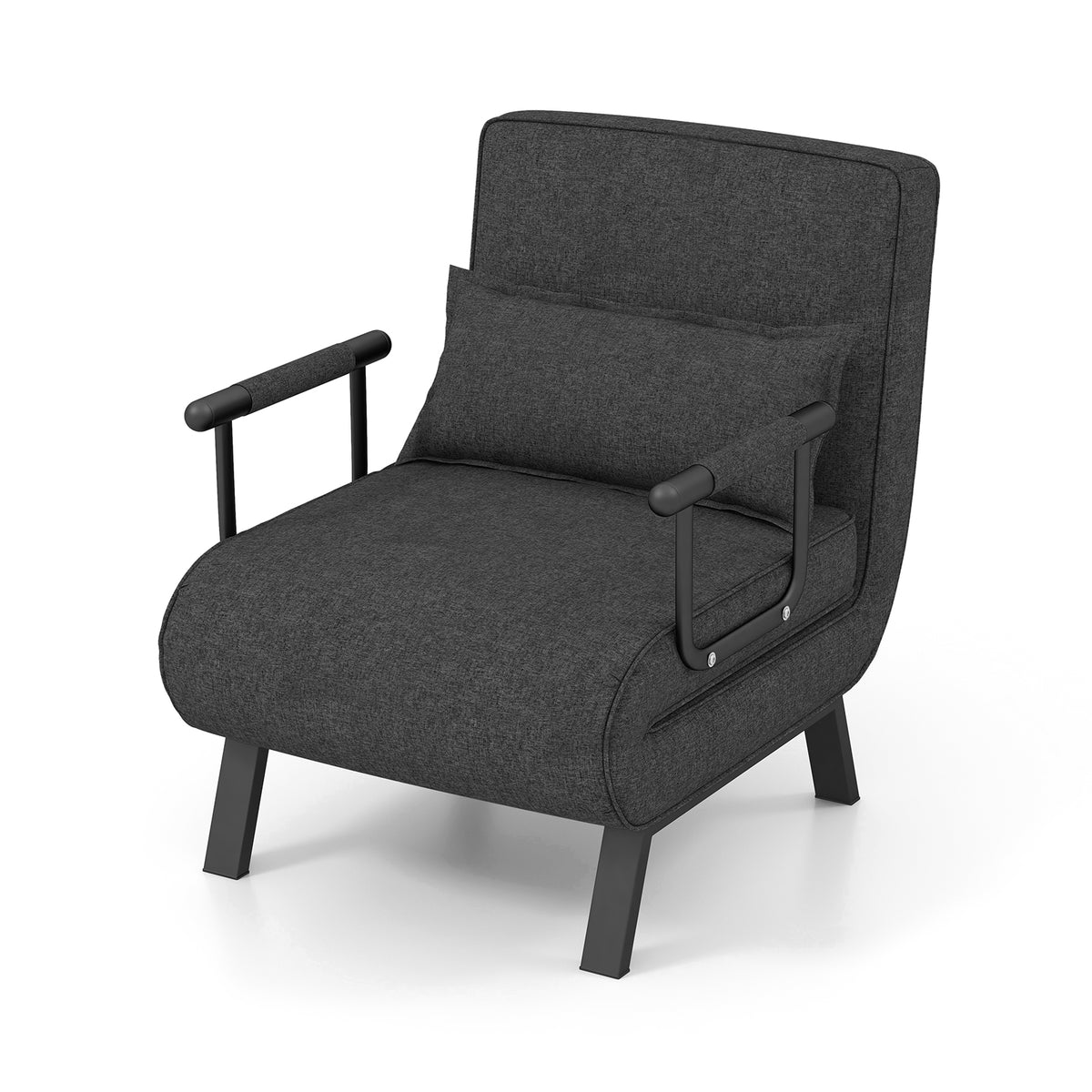
5-Position Convertible Sofa Bed Armchair with Pillow
Make the most of your space with this multifunctional folding sofa bed. Its 5-position adjustable design lets you switch between sitting and lounging, while the included pillow adds extra comfort. Ideal for apartments, bedrooms, and compact living areas.
3. Memory Foam Floor Chair (14-Position Adjustable Folding Gaming Sofa Chair)
Definition: This adjustable floor chair features memory foam padding and a reclining backrest. It can be adjusted into multiple positions for gaming, reading, relaxing, or lying down.
Pros
Fourteen adjustable positions for flexible use.
Memory foam padding provides cushioning.
Reclining design suits gaming and relaxation.
Cons
Floor-level seating may be difficult for some people to get in and out of.
Foam padding may retain heat during long sitting sessions.
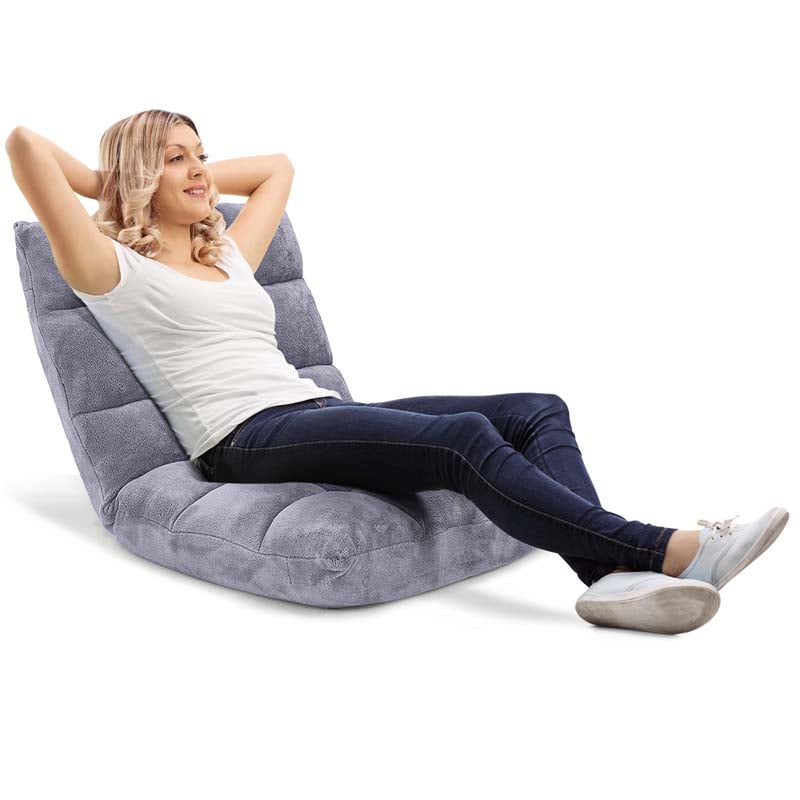
Memory Foam Floor Chair with 14 Adjustable Positions
Upgrade your comfort with this memory foam floor chair featuring 14 adjustable positions and back support. Its foldable design makes it suitable for gaming, reading, relaxing, or lounging. It can also convert into a sleeper-style bed for added versatility.
Which Space-Saving Sofa Bed Should You Choose?
Product | Best For | Main Pros | Main Cons |
Foldable Lazy Sofa Single Bed (6-Position) | Small apartments and occasional guests | 6 adjustable positions, folds flat for sleeping, compact design | Fits one person, low seating height |
Multifunctional 5-Position Folding Sofa Bed | Small bedrooms and flexible seating | 5 adjustable positions, converts into a bed, includes a pillow | Fewer adjustment options, sleeping surface may feel thin |
Memory Foam Floor Chair (14-Position) | Gaming, reading, and relaxation | 14 adjustable positions, memory foam padding, reclining backrest | Low seating height, foam may retain heat |
Quick Tip: Before buying, compare the folded and unfolded dimensions, weight capacity, materials, and return policy to make sure the product suits your space and needs.
Before You Buy: Measure First, Dream Second
The number one reason small-space furniture fails is poor measuring. Do this before you open a single shopping tab:
Measure the room (length, width, ceiling height) and sketch a quick floor plan.
Measure doorways, hallways and stairs. A beautiful sofa that can't get through the door is an expensive lesson.
Mark "clearance zones" such as door swings, drawer pulls and walkways. Aim for roughly 75-90 cm (30-36 in) for main walking paths.
Use painter's tape on the floor to outline a piece's footprint and live with it for a day.
Think vertically. Walls and the space above eye level are usually your biggest unused storage.
Room-by-Room Guide to Space-Saving Furniture
Small Living Room
Choose a sofa with raised legs so you can see the floor beneath it, which makes the room feel bigger.
Pick a round or oval coffee table to avoid sharp corners in tight walkways.
Use wall-mounted TV units instead of bulky cabinets.
Add a storage ottoman for throws, games and clutter.
Small Bedroom
Go for a storage bed or add under-bed boxes.
Use wall-mounted bedside shelves or slim floating nightstands.
Choose sliding-door wardrobes so you don't lose floor space to door swings.
Add mirrored panels to bounce light around.
Small Kitchen
Install pull-out pantry units and corner carousels.
Hang pots and utensils on rails or hooks.
Use a rolling cart that tucks into a gap and moves where you need it.
Choose stackable containers to use cabinet height.
Home Office Nook
Use a fold-down or floating desk.
Choose a compact, ergonomic chair that slides fully under.
Add wall shelves above the desk for files and supplies.
Hide cables with a cable tray so the area stays calm.
Entryway and Hallway
A slim shoe cabinet (tilt-out styles are great) keeps footwear off the floor.
Add wall hooks and a narrow shelf for keys and mail.
A mirror makes narrow passages feel wider.
Bathroom
Mount floating vanities and shelves to free floor space.
Use over-the-toilet storage and slim towel ladders.
Choose recessed or mirrored medicine cabinets.
Smart Design Tips That Make Small Homes Feel Bigger
Furniture is only half the story. These simple design choices amplify the effect:
Stay with a light, cohesive color palette. Soft neutrals make walls recede.
Pick furniture with visible legs. Seeing floor underneath adds airiness.
Choose glass, acrylic or light wood over heavy dark pieces.
Use rugs to define zones in open-plan layouts instead of adding walls.
Layer your lighting. Wall sconces, floor lamps and warm bulbs free up table space and add depth.
Keep one "breathing wall" relatively clear so the eye has somewhere to rest.
Edit regularly. The best storage is owning less. If an item hasn't been used in a year, consider letting it go..
Common Mistakes to Avoid
Buying before measuring. Always confirm dimensions, including delivery routes.
Choosing style over function. A gorgeous piece that blocks your walkway is not a win.
Overfilling the room. Even smart furniture needs breathing room.
Ignoring scale. Oversized sofas and giant beds overwhelm small rooms. Choose slim arms and lower profiles.
Forgetting vertical space. Floors fill up fast; walls rarely do.
Skipping quality checks on mechanisms. Test folds, lifts and extensions before committing.
Buying everything at once. Live in the space for a few weeks, then add what you truly need.
Space-Saving Tips That Was not Cost Your Deposit
Pick freestanding storage and clamp-on or tension-rod solutions instead of drilling.
Use adhesive hooks rated for the weight you need.
Choose modular furniture that you can reconfigure in your next home.
Keep original packaging and hardware for pieces you may need to disassemble and move.
Ready to Make Your Small Home Work Harder?
You don't need more space; you need smarter space. Start with one problem area, measure carefully, and choose pieces that earn their footprint. Even a single change, like swapping to a storage bed or adding a fold-down desk, can transform how your home feels and functions.
Frequently Asked Questions
Storage beds, sofa beds, folding tables, and wall-mounted desks are great choices. They save space and make small rooms more useful.
Use light colors, slim furniture, and wall shelves. Keep walkways clear and avoid adding too much furniture.
Storage boxes, nesting tables, storage ottomans, and floating shelves are affordable options. They help you save space and keep your home organized.