
Red light therapy is often marketed as a quick solution for pain, while some people dismiss it as just another wellness trend. The truth is somewhere in between research is still exploring how it may affect the body.
This guide explains how red light therapy may work, what current research suggests what you can realistically expect. If you have ongoing or severe pain, I'd recommend talking to a doctor first to find the cause.
The Basic Mechanism: What Red Light Actually Does in Your Cells
Red light therapy, also called photobiomodulation, uses red and near-infrared light on the skin.
The light may reach the cells and interact with mitochondria, which help produce energy for your cells. Researchers think this may support normal cell function and repair.
In simple terms, red light may help your cells work more efficiently, but research is still ongoing.
How That Connects to Pain Relief Specifically
Red light therapy may help by supporting the body's normal response to inflammation. Researchers are studying whether it can reduce signals linked to inflammation, which may help with pain and soreness.
It may also support local blood flow and tissue recovery, which could help with stiffness after exercise or minor injuries.
In simple terms, red light therapy may support the body's natural recovery process, but results can vary and research is still ongoing.
What Does the Evidence Actually Show?
The research on red light therapy is promising, but it's not conclusive. Some studies suggest it may help with pain and support recovery, but the strength of the evidence depends on the condition being treated.
So, I'd look at red light therapy as a possible helpful option, not a guaranteed cure. Research is still ongoing results can vary from person to person.
What Wavelength Is Best for Pain?
Different wavelengths of red light can work at different depths. Around 660nm is generally used for more surface-level areas, while around 850nm near-infrared light can reach deeper tissues.
If you're looking at red light therapy for deeper areas like muscles or joints, I'd recommend checking whether the device includes near-infrared light.
How Long Does It Take to Feel a Difference?
Red light therapy usually isn't an instant fix. If it helps, changes may take several weeks of regular use results can vary depending on the person and condition.
I'd recommend having realistic expectations and remembering that research is still developing.
Is Red Light Therapy Safe?
Red light therapy is generally considered low-risk and non-invasive, but it may not be suitable for everyone. Some people may experience mild effects like temporary redness, warmth eye strain.
If you take medication or have a health condition, I'd recommend talking to a doctor before using it regularly, especially for ongoing pain.
What to Look for in a Red Light Therapy Device
If you're considering red light therapy, I'd recommend looking for a device with near-infrared light if you're targeting deeper areas like muscles or joints.
Keep in mind that results may take several weeks of regular use, not just one session. For ongoing or severe pain, use it as a possible addition to professional care, not a replacement for seeing a doctor.
A Few Red Light Therapy Devices to Consider
If you're interested in red light therapy, these devices are worth comparing. They come in different sizes and styles, so choose based on the area you want to treat and your budget.
-
Hooga PRO1500: A large panel with 660nm and 850nm LEDs, suitable for covering larger areas.

Hooga PRO1500 Red Light Therapy Panel
Full-body red and near-infrared light therapy panel featuring 660nm and 850nm wavelengths, 300 dual-chip LEDs, a built-in timer, and modular panel compatibility.
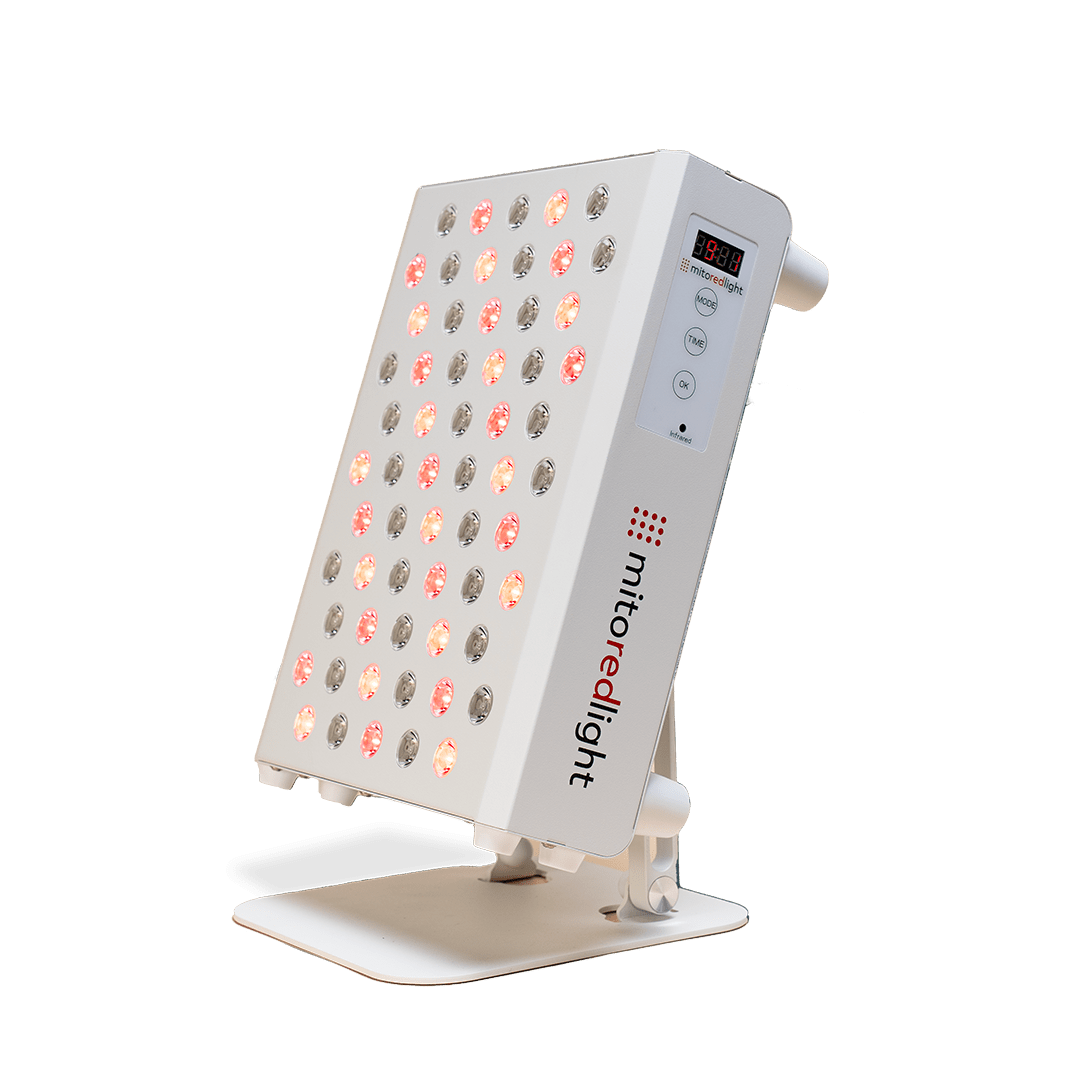
MitoPRO+ Red Light Therapy Panels
A versatile red and near-infrared panel series with four wavelengths, multiple size options, digital controls, and models designed for targeted or full-body coverage.

FlexBeam Portable Red Light Therapy Device
A wearable red and near-infrared light therapy device with a portable design, rechargeable battery, three presets, and hands-free use.

Novaa Light Pad
A lightweight LED therapy pad with 450 light chips, including 660nm red and 850nm infrared LEDs, plus a remote control and adjustable strap.
My suggestion: Compare the wavelengths, irradiance, coverage, price, and safety information rather than relying only on reviews or before-and-after photos.
Common Questions People Get Wrong
It didn't work after one session : Red light therapy may take time and regular use, so don't expect instant results.
Any red light will work : Not necessarily. Wavelength matters, especially when treating deeper areas.
It's proven for everything : Research is stronger for some uses than others, so results can vary.
It can replace a doctor : For serious or ongoing pain, I'd recommend seeing a doctor first rather than relying only on red light therapy.
Frequently Asked Questions
There's real mechanistic research behind it — red and near-infrared light are shown in studies to shift the balance of inflammatory cytokines toward a less inflammatory state. Evidence quality varies by specific condition, but the underlying mechanism is genuinely studied, not purely marketing.
Visible red light (around 660nm) tends to affect more surface-level tissue, while near-infrared light (around 850nm) penetrates deeper and is more associated with muscle and joint applications. Devices combining both wavelengths are designed to address a broader range of tissue depth.
This varies by device and manufacturer guidance, but consistent use several times a week over multiple weeks is a more realistic pattern for meaningful results than occasional or one-off sessions.
It shouldn't be treated as a direct replacement, especially for chronic or serious pain — it's better understood as a complementary, low-risk option to discuss with a doctor as part of a broader pain management approach, not a standalone substitute for medical care.