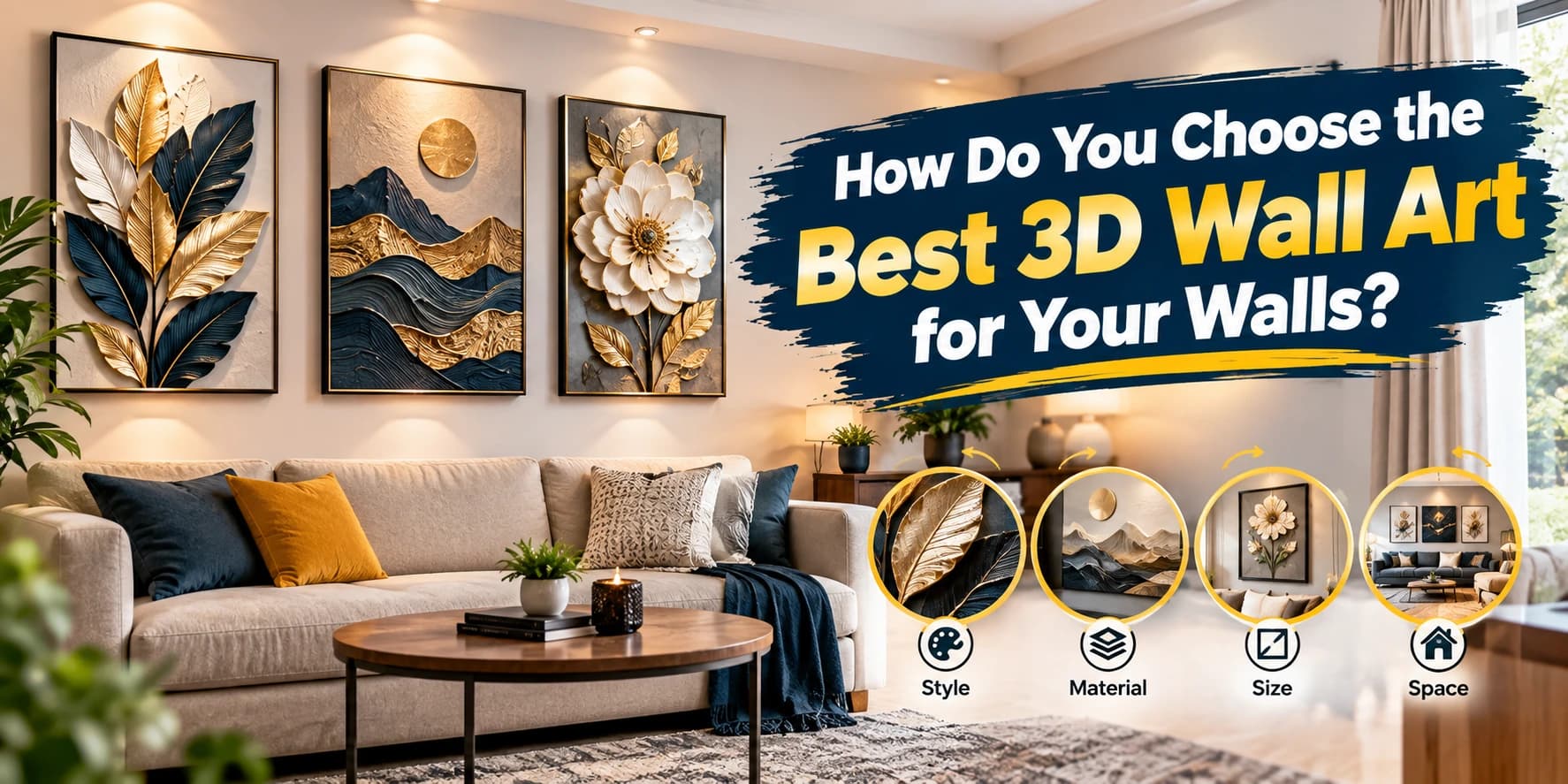
Choosing the best 3D wall art can be difficult because there are so many designs and styles. Unlike flat pictures, 3D wall art adds depth and texture to your walls and looks different under different lighting.
The right choice depends on your room’s style, wall size, colors and budget. Whether you want to decorate your living room, bedroom, or home office, these simple tips will help you choose the right design for your space.
What Is 3D Wall Art and Why Is It Popular?
3D wall art is wall decor that has a raised or sculpted surface instead of a completely flat design. It can include metal sculptures, layered wood panels, textured canvas, resin designs and geometric wall panels.
Here are three reasons people choose 3D wall art:
Adds depth: Raised shapes and textures make plain walls more interesting.
Creates a focal point: One well-chosen piece can draw attention without adding clutter.
Works with different styles: From modern homes to traditional spaces, there are designs for many interiors.
What Are the Different Types of 3D Wall Art?
Understanding the main types can help you choose a design that suits your home.
Geometric wall art: Uses clean shapes and patterns. It works well in modern and minimalist rooms.
3D metal wall art: Creates a bold look with sculpted shapes and metallic finishes.
Wooden wall art: Adds warmth and natural texture to living rooms and bedrooms.
3D textured canvas: Uses raised patterns and soft textures for a simple, artistic look.
Decorative wall panels: Cover larger areas and can create a feature wall.
Nature-inspired wall art: Features leaves, flowers, trees, or organic shapes for a natural feel.
Before choosing a design, consider the size of your wall and how much attention you want the artwork to attract.
How Do You Choose the Best 3D Wall Art?
Step 1: Start With Your Wall and Room
Look at your wall before choosing a piece of art. Notice its color, available space, surface and location.
Neutral walls in white, beige, or gray work with many designs. Dark or colorful walls may need contrasting artwork to stand out.
Also, consider where the art will hang. A large piece above a sofa should be easy to notice from across the room. Smaller artwork near a desk or hallway can include more detailed designs.
Check your wall's structure before hanging heavy artwork. Solid wood and metal pieces may need screws attached to wall studs or suitable wall anchors. Lightweight options are often easier to install.
Step 2: Choose the Right Size
Size is one of the most important factors when buying 3D wall art. A small piece may look lost on a large wall, while an oversized design can make a small room feel crowded.
Use these simple guidelines:
Choose artwork around two-thirds to three-quarters of the width of the furniture beneath it.
Leave approximately 6–10 inches between the artwork and the furniture below.
Hang the center of the artwork around 57–60 inches from the floor as a general starting point.
Consider a multi-panel design for a wide wall if you want a balanced arrangement.
For example, if your sofa is 7 feet wide, artwork around 4.5–5 feet wide may look balanced.
Helpful tip: Use painter's tape to mark the artwork's planned dimensions on your wall. Step back and check how it looks before placing your order.
Step 3: Match the Style to Your Room
The right design should feel connected to your existing furniture and decor.
Modern rooms: Choose geometric shapes, abstract designs, or sleek metal finishes.
Scandinavian interiors: Try light wood, soft curves and natural textures.
Industrial spaces: Look for metal sculptures and raw finishes.
Traditional homes: Consider carved wood and detailed relief designs.
Bohemian interiors: Choose woven textures, earthy colors and handmade designs.
You do not need to match every item in the room. Instead, choose one detail to connect with, such as the color of your cushions, rug, or light fixtures.
Step 4: Pick the Right Material
The material affects the artwork's appearance, weight, durability and care requirements.
Material | Best For | Things to Consider |
Metal | Modern and industrial rooms | May be heavy and need secure mounting |
Wood | Warm and natural interiors | Can be affected by moisture |
Plaster or textured canvas | Soft, sculptural designs | May need gentle cleaning |
Acrylic or resin | Glossy, colorful designs | Can show glare or fingerprints |
Paper or foam | Lightweight decor and budget projects | May be less durable in humid areas |
For kitchens and bathrooms, check whether the material can handle moisture and temperature changes. For living rooms and bedrooms, you usually have more flexibility.
Always check the manufacturer's care and installation instructions before buying.
Step 5: Choose Colors That Fit Your Space
Color can help your artwork blend into the room or become its main feature.
Blend with your decor: Choose shades close to your wall, furniture, or curtains. This creates a calm and balanced appearance.
Create contrast: Pick a color that stands out against the wall but connects with another item in the room, such as a rug or cushion.
If your room already has several bold colors, a neutral piece may work better. If your room feels plain, a colorful design can add interest.
Step 6: Consider the Lighting
Lighting affects how 3D wall art looks because it creates shadows across raised surfaces.
Side lighting: Highlights texture and creates stronger shadows.
Picture lights: Give the artwork a clean, gallery-style appearance.
Natural light: Makes the artwork look different throughout the day.
Ceiling lights: Can provide general illumination, although the effect depends on their position.
Warm light, around 2700K–3000K, can create a cozy atmosphere. Cooler light may suit modern interiors with white or metallic finishes.
Avoid placing delicate artwork in strong direct sunlight unless the material is designed to handle it.
What Is the Best 3D Wall Art for Each Room?
Different rooms have different needs. Think about the room's purpose, available wall space and existing furniture.
Living Room
The wall above the sofa is a common place for 3D wall art. Choose a wide geometric design, textured canvas, or metal sculpture that suits your furniture.
Avoid filling every empty wall. One strong piece can create a focal point without making the room look busy.
Bedroom
Choose calming colors, soft textures, or simple nature-inspired designs. Artwork above the bed can create a balanced look when its size matches the bed and surrounding furniture.
Make sure the artwork is securely mounted, especially above a bed.
Hallway
Hallways often have limited space. Slim wall sculptures and smaller textured pieces can add character without blocking the walkway.
Dining Room
A sculptural centerpiece on an empty wall can make the dining area feel more complete. Choose a design that works with the table, chairs and lighting.
Home Office
Geometric designs, abstract artwork and simple textured pieces can add visual interest without distracting from your work area.
How Much Should You Spend on 3D Wall Art?
The cost of 3D wall art depends on its size, material, design, craftsmanship and installation requirements.
Before buying, decide how much you want to spend and compare options within your budget.
Keep these points in mind:
Small decorative pieces: May suit limited budgets and smaller walls.
Medium-sized artwork: Can provide a balance between visual impact and cost.
Large sculptural pieces: May cost more because of their size, material and installation needs.
Custom designs: May have extra costs for special dimensions, finishes, or handmade work.
Do not choose artwork based on price alone. Check the material quality, mounting hardware, product dimensions and seller's return policy.
How Do You Check 3D Wall Art Before Buying Online?
Buying artwork online gives you more choices, but product photos may not show its real size, depth, or color accurately.
Use this checklist before placing an order:
Check the dimensions: Confirm the height, width and depth.
View multiple photos: Look for front, side and close-up images.
Read the material details: Make sure the listed material matches your expectations.
Check customer reviews: Look for comments about quality, color and installation.
Confirm what's included: Check whether mounting hardware is supplied.
Review delivery and returns: Understand the seller's policies for damaged items, returns and custom orders.
If possible, use a digital room preview or mark the planned dimensions on your wall. This helps you understand how the artwork may fit before buying.
Can You Mix 3D Wall Art With Other Wall Decor?
Yes. 3D wall art can work well with framed prints, photographs, mirrors and other decorative items.
The key is to create balance.
Choose one main piece and arrange smaller items around it.
Repeat a color or material to connect different decorations.
Leave enough empty wall space so raised shapes and shadows remain visible.
Avoid combining too many large or heavily textured pieces in one small area.
For example, you could place a sculptural piece in the center of a gallery wall and use simple framed prints on either side.
Option 1: 3D Vintage Terracotta Whitewashed Brick Peel and Stick Wall Tile
Best for: Anyone who wants a warm, rustic look. The terracotta brick design suits farmhouse, Mediterranean and traditional interiors.
Pros
Warm color adds a cozy feel.
Realistic 3D brick texture.
Lightweight and easy to install.
Cons
Bold color may not suit small or dark rooms.
Strong adhesive can make removal difficult.
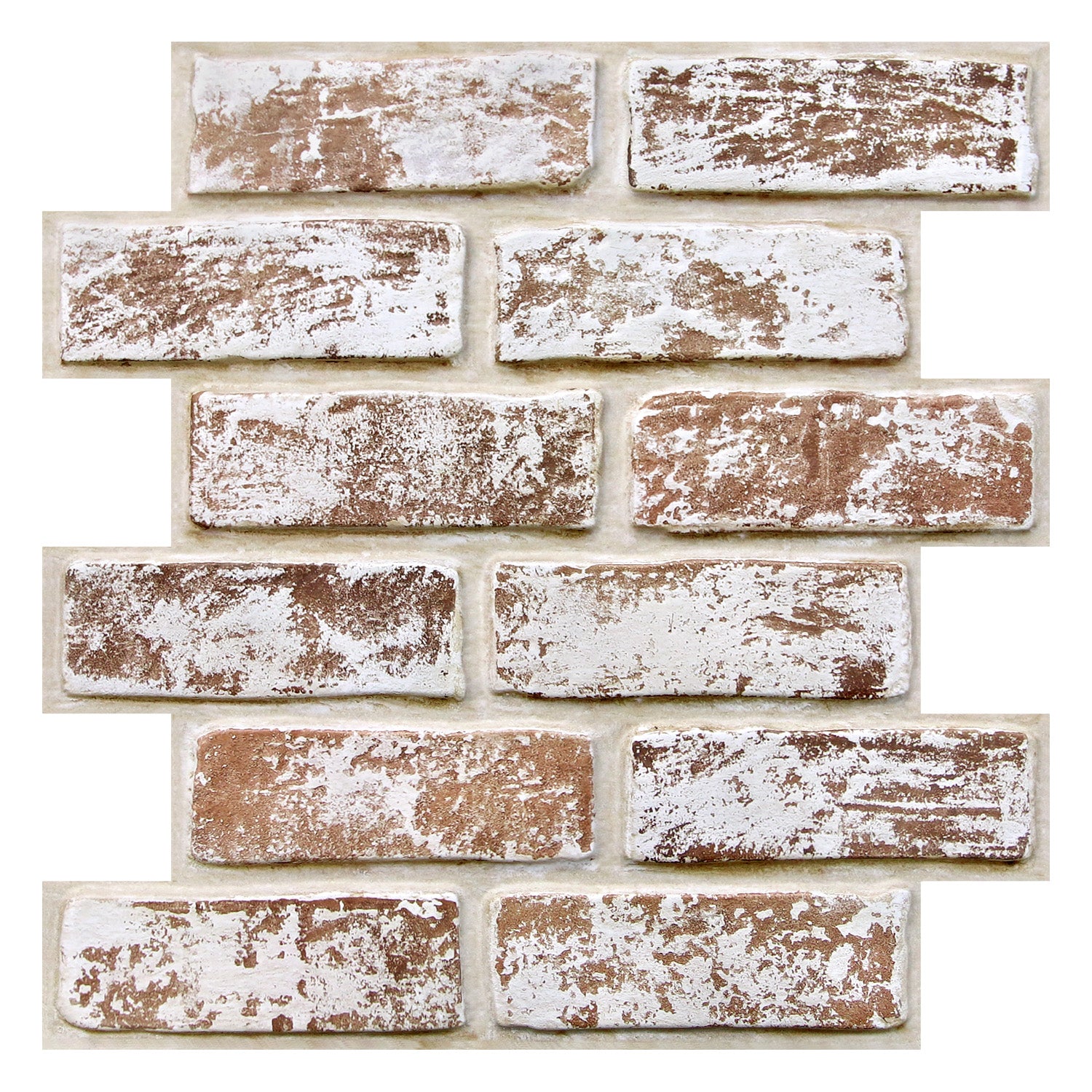
3D Vintage Terracotta Whitewashed Brick Peel and Stick Wall Tile
Add warmth and vintage charm to your home with these 3D terracotta brick wall tiles. Their whitewashed finish and easy peel-and-stick design make them ideal for creating stylish accent walls and cozy interiors.
Option 2: 3D Rustic Whitewash Brick Peel and Stick Wall Tile
Best for: Bright, airy spaces with a modern farmhouse or Scandinavian style. Whitewashed brick adds texture while keeping bedrooms, hallways and small rooms looking open.
Pros
Light color matches most decor.
Adds realistic 3D brick texture.
Easy to cut and install.
Cons
May look too subtle for bold designs.
Strong adhesive can make removal difficult.
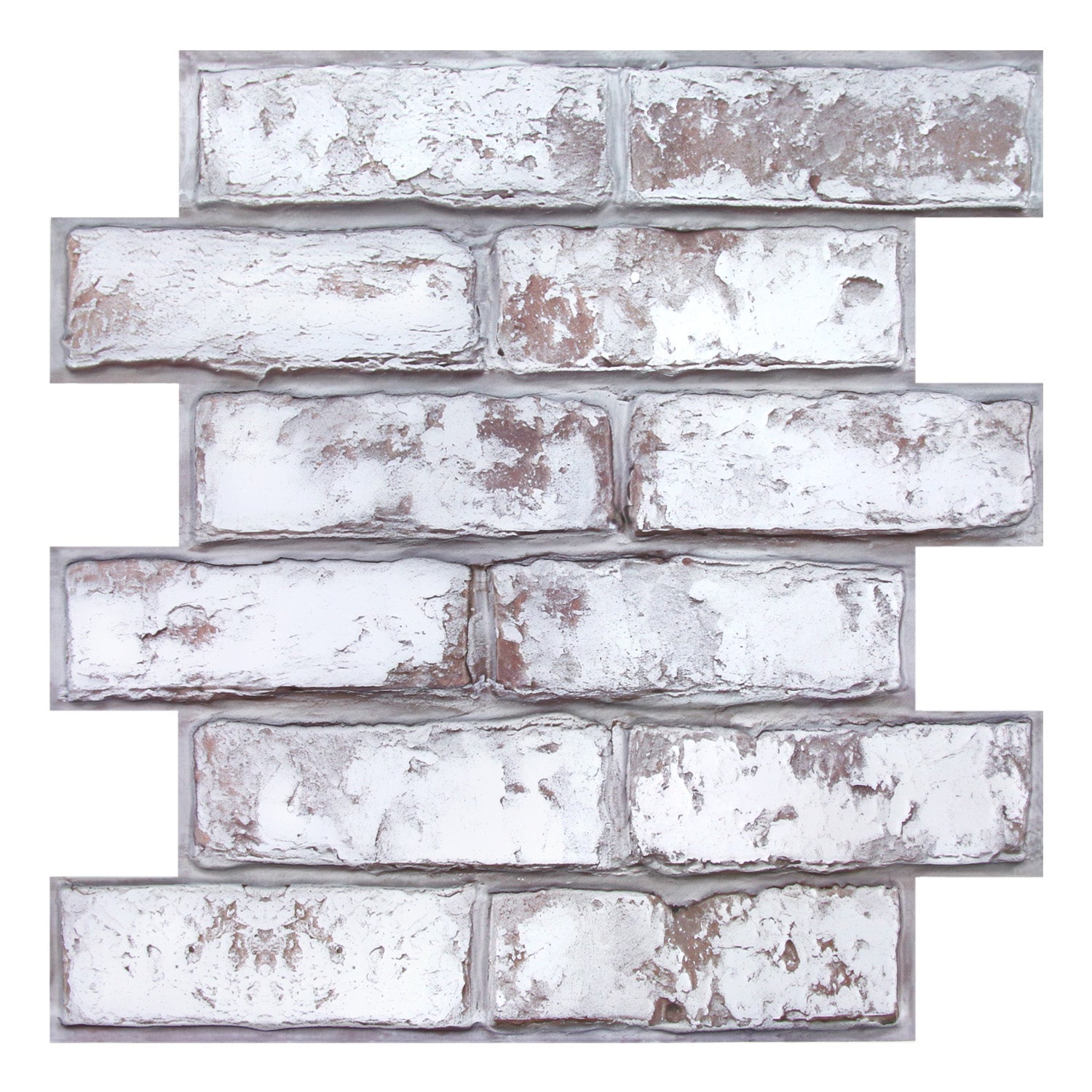
3D Rustic Whitewash Brick Peel and Stick Wall Tile
Give your walls a fresh, rustic look with these 3D whitewash brick tiles. Their realistic brick texture and self-adhesive design make them easy to install, creating a stylish accent wall without the mess of traditional brickwork.
Quick Comparison
Vintage Terracotta Whitewashed | Rustic Whitewash | |
Mood | Warm, bold, old-world | Light, soft, airy |
Best rooms | Living room, dining area, fireplace | Bedroom, hallway, small spaces, kitchen |
Style fit | Farmhouse, Mediterranean, rustic | Scandinavian, modern farmhouse, neutral |
Visual impact | High (statement wall) | Moderate (soft texture) |
Final Thoughts
Choosing the best 3D wall art is about finding the right balance between size, style, material, color and lighting. You do not need the biggest or most expensive design to improve your space.
Start by measuring your wall, consider the room's existing decor and check the artwork's quality before buying. With a little planning, you can choose a piece that adds depth and personality to your home.
Ready to update your walls? Explore our collection of 3D wall art and compare different sizes, styles and materials to find a design that suits your home.
Frequently Asked Questions
Wood, metal, resin and acrylic are popular choices. Select a material that matches your room’s style, durability needs and budget.
Place it above a sofa, bed, or console table, or on an empty feature wall. Choose a spot where the artwork can stand out without making the room feel crowded.
Choose colors that complement your walls, furniture and decor. Neutral shades create a balanced look, while contrasting colors help the artwork become a focal point.