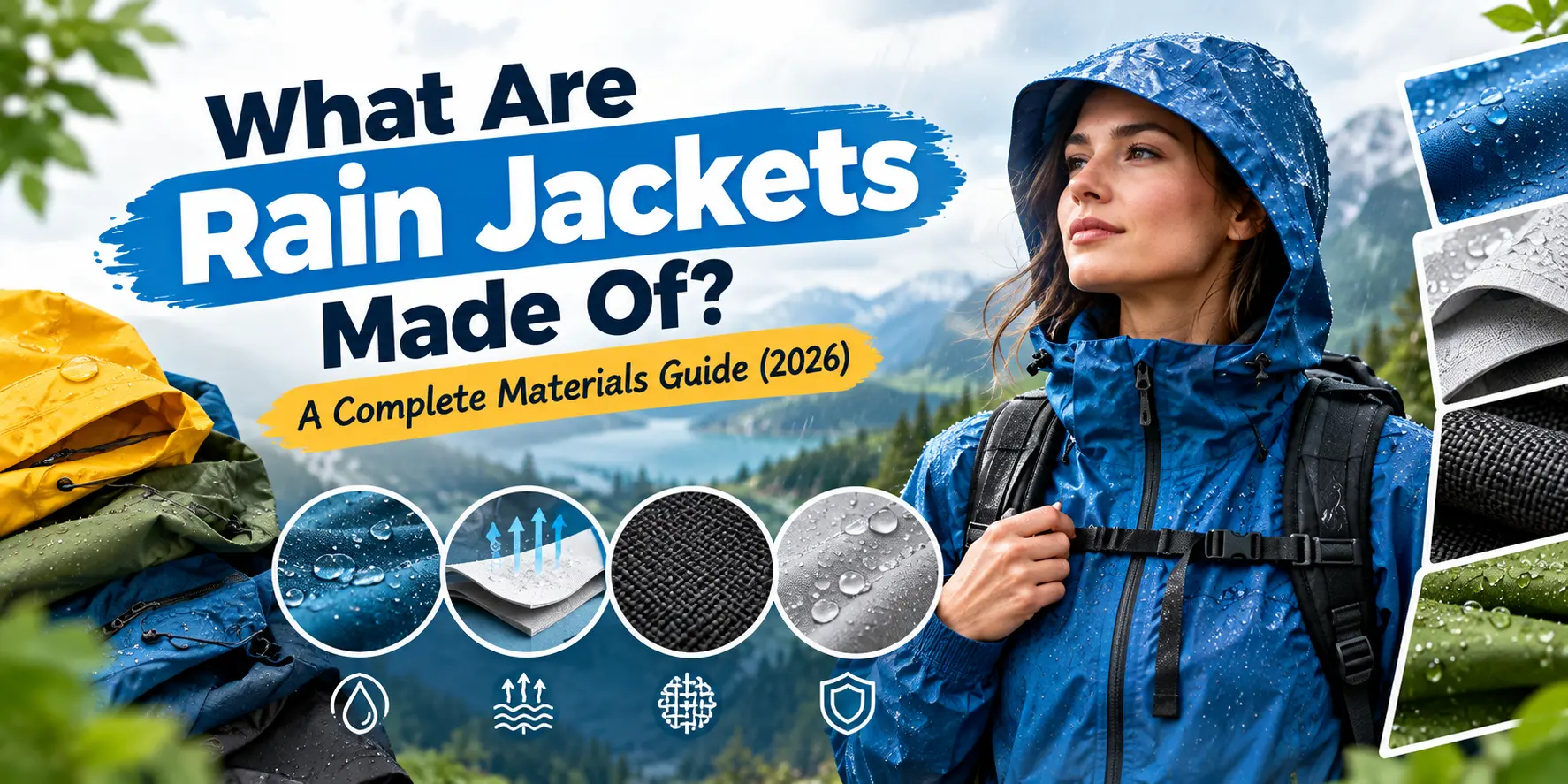
Have you ever bought a water proof rain jacket that started leaking after a few washes? In many cases, the problem is not the jacket itself it's the materials used to make it.
Rain jackets are made from different layers, fabrics and waterproof coatings that work together to keep you dry and comfortable. The quality of these materials plays a big role in how well a jacket performs in rain and how long it lasts.
In this guide, we'll explain the common materials used in rain jackets, how they work and what to look for when choosing a jacket that's worth your money.
How a Rain Jacket Is Actually Built
Most people assume a rain jacket is a single piece of waterproof fabric. In reality, it's usually built in layers:
Outer face fabric — the visible shell, treated with a water-repellent finish
Waterproof/breathable membrane — the real barrier against rain
Inner lining — adds comfort and protects the membrane
This layered construction is why two jackets that "look" the same can perform completely differently in the rain.
The Outer Shell Fabric
The outer layer of a rain jacket is usually made from nylon or polyester. These materials are lightweight, durable and dry quickly. Nylon is generally stronger and more resistant to tears, while polyester is often more affordable and keeps its color longer.
By itself, this layer is not waterproof. Its main job is to provide strength and protection, while other layers help keep water out.
DWR (Durable Water Repellent) Coating
The reason water beads up and rolls off a new rain jacket is because of a special coating called DWR (Durable Water Repellent). This coating helps prevent water from soaking into the fabric.
Over time, washing, dirt and regular use can wear down the DWR coating. When that happens, the outer fabric may start absorbing water and feel wet, even though the jacket can still be waterproof underneath. In many cases, reapplying a DWR treatment can help restore its performance.
The Waterproof Membrane (The Main Protection Layer)
The waterproof membrane is the part of a rain jacket that does most of the work. It's a thin layer inside the jacket that blocks rain from getting in while allowing sweat and body heat to escape.
Some popular waterproof membrane technologies include:
Gore-Tex – Known for excellent waterproof protection and breathability.
Event – Popular for its strong breathability and comfort during active use.
Brand-specific membranes(such as H2No, DryVent and HyVent) – Designed by different brands and available at various performance levels and price points.
These membranes are designed to keep you dry on the outside without making you feel hot and sweaty on the inside, helping you stay comfortable in wet weather.
Seam Construction
A waterproof fabric with un-sealed seams is still going to leak — needle holes from stitching are an easy entry point for water. That's why quality rain jackets use taped or welded seams, where a waterproof tape is heat-bonded over every seam line.
This is a detail worth checking before you buy: a jacket that skips fully taped seams (common in cheaper "water-resistant" jackets) will almost always leak at the shoulders and hood first.
2-Layer 2.5-Layer and 3-Layer Construction
Rain jackets are often labeled by how many layers are bonded together:
Layer Type | Structure | Best For |
2-layer | Outer fabric + membrane, with a separate hanging inner liner | Everyday, casual use |
2.5-layer | Outer fabric + membrane + thin protective coating (no liner) | Lightweight, packable travel jackets |
3-layer | Outer fabric + membrane + inner lining, all bonded together | Serious hiking, heavy rain, durability |
Higher layer counts generally mean better durability and breathability — but also a higher price tag.
Waterproof Rating (What the mm Number Means)
You'll often see a number like 10,000mm or 20,000mm listed on a rain jacket. This is the hydrostatic head rating — essentially, how much water pressure the fabric can withstand before it starts leaking.
As a rough guide:
5,000–10,000mm — light rain, everyday commuting
10,000–20,000mm — moderate to heavy rain, general outdoor use
20,000mm+ — storm-level conditions, serious hiking or mountaineering
Waterproof vs. Water-Resistant: Know the Difference
These terms get used interchangeably, but they're not the same:
Waterproof jackets have a sealed membrane and taped seams, rated to withstand sustained rain and pressure.
Water-resistant jackets only have a DWR coating on the outer fabric, with no membrane — fine for light drizzle, but not built for real downpours.
If you're shopping and see "water-resistant" on the label, expect it to fail in a genuine storm.
How to Make Your Rain Jacket Last Longer
Wash it with a technical gear detergent (regular detergent can strip DWR)
Reproof the DWR coating every 6–12 monthe or when water stops beading
Avoid fabric softener — it clogs the membrane's pores
Tumble dry on low heat occasionally — the heat helps reactivate DWR
Top Waterproof Jackets Worth Buying
Now that you understand how rain jacket materials work, here are some well-built waterproof jackets that use quality membranes, taped seams and reliable weather protection.
1. Rab Women's Downpour Mountain Jacket
A lightweight, mountain-ready shell built from 2.5-layer Pertex Shield fabric with a 20,000mm waterproof rating and 20,000g breathability — genuinely built for serious weather, not just drizzle.
A packable, hardwearing women's shell with pack-compatible pockets, a fully adjustable hood and fully taped seams — ideal for hiking and mountain use where conditions can turn fast.
Pros:
High 20,000mm waterproof rating for heavy, sustained rain
Fully taped seams and YKK AquaGuard zips — no weak points for leaks
Lightweight and packs down small for travel or day hikes
Underarm vents help manage breathability on the move
Cons:
2.5-layer build is slightly less durable long-term than a 3-layer jacket
Slim/regular fit may run small — layering underneath can feel tight
No powder skirt, so less suited to deep-winter or ski use
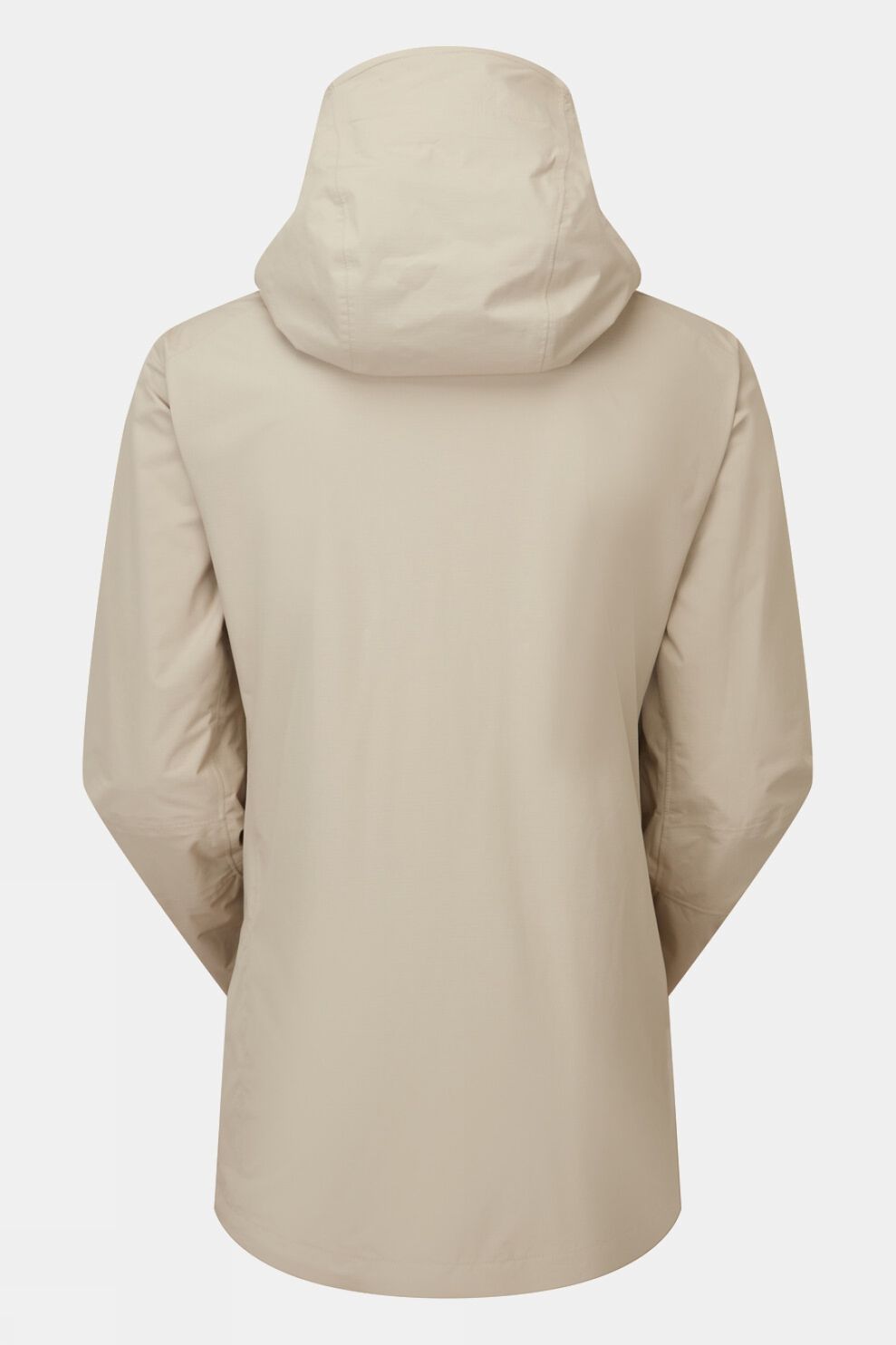
Rab Women's Downpour Mountain Jacket – Best for Mountain Adventures
A lightweight waterproof shell featuring Pertex® Shield technology, fully taped seams, adjustable hood, and excellent packability. Designed to keep you dry and comfortable during hiking, trekking, and wet-weather travel.
2. Patagonia Men's Torrentshell 3L Rain Jacket
A true 3-layer H2No Performance Standard shell — the extra layer bonded inside makes this one noticeably more durable and breathable than basic 2-layer rain jackets, without a huge price jump.
A dependable, everyday-to-trail rain shell with a stowable adjustable hood, pit zips for ventilation and a self-stuffing pocket — built to handle both a rainy commute and a weekend hike.
Pros:
3-layer construction is more durable and breathable than 2.5-layer alternatives
Made from recycled nylon with a PFAS-free DWR finish (more eco-conscious build)
Pit zips give active ventilation control during high-output use
Stuffs into its own pocket — genuinely packable for travel
Cons:
Heavier and slightly bulkier than ultralight 2.5-layer shells
Runs large in the torso and sleeves — may need to size down
Feels stiff out of the box until broken in
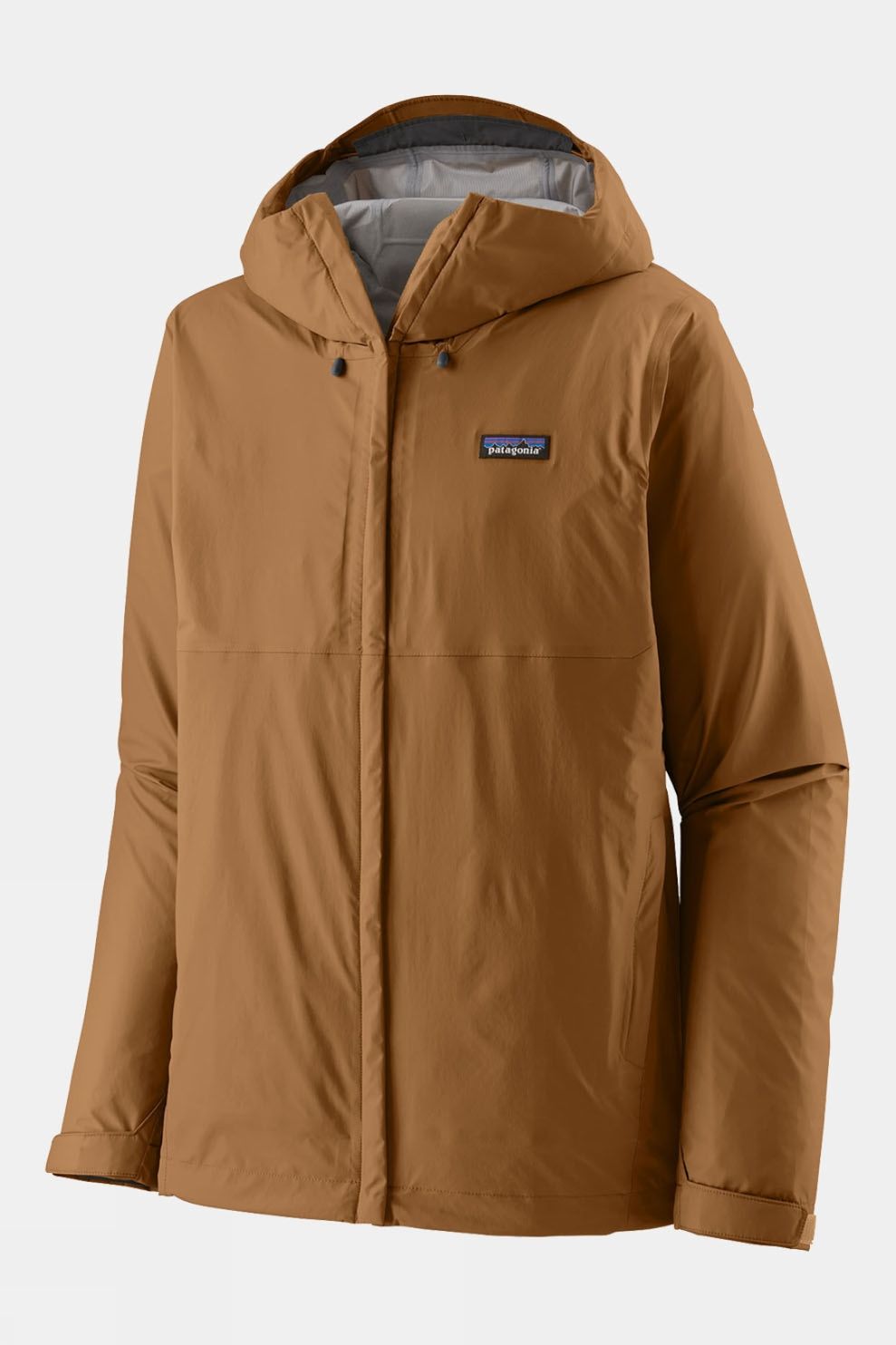
Patagonia Men's Torrentshell 3L Rain Jacket – Best Overall
A premium 3-layer waterproof rain jacket built with Patagonia's H2No® Performance Standard technology. Offers outstanding weather protection, breathability, durability, and eco-friendly materials for everyday and outdoor use.
3. Rab Men's Downpour Jacket
The men's counterpart to the Downpour Mountain jacket, this one trades a bit of mountaineering-specific detail for a lighter, more everyday-friendly build — still backed by the same 20,000mm waterproof rating.
A versatile, budget-friendlier waterproof shell for hiking and hillwalking, with underarm vents, storm-guarded pockets and a one-handed adjustable hood for quick weather changes.
Pros:
Strong 20,000mm waterproof rating at a lower price point than the Mountain version
Fluorocarbon-free DWR finish — better for the environment without sacrificing performance
Easy one-handed hood and hem adjustments for on-the-move use
Genuinely packable — folds into its own pocket
Cons:
2.5-layer fabric means slightly less breathability than a 3-layer shell under heavy exertion
Hood isn't helmet-compatible on all versions — check the listing before buying for climbing/ski use
Fewer premium touches (no fleece-lined neck, unlike the Patagonia option)
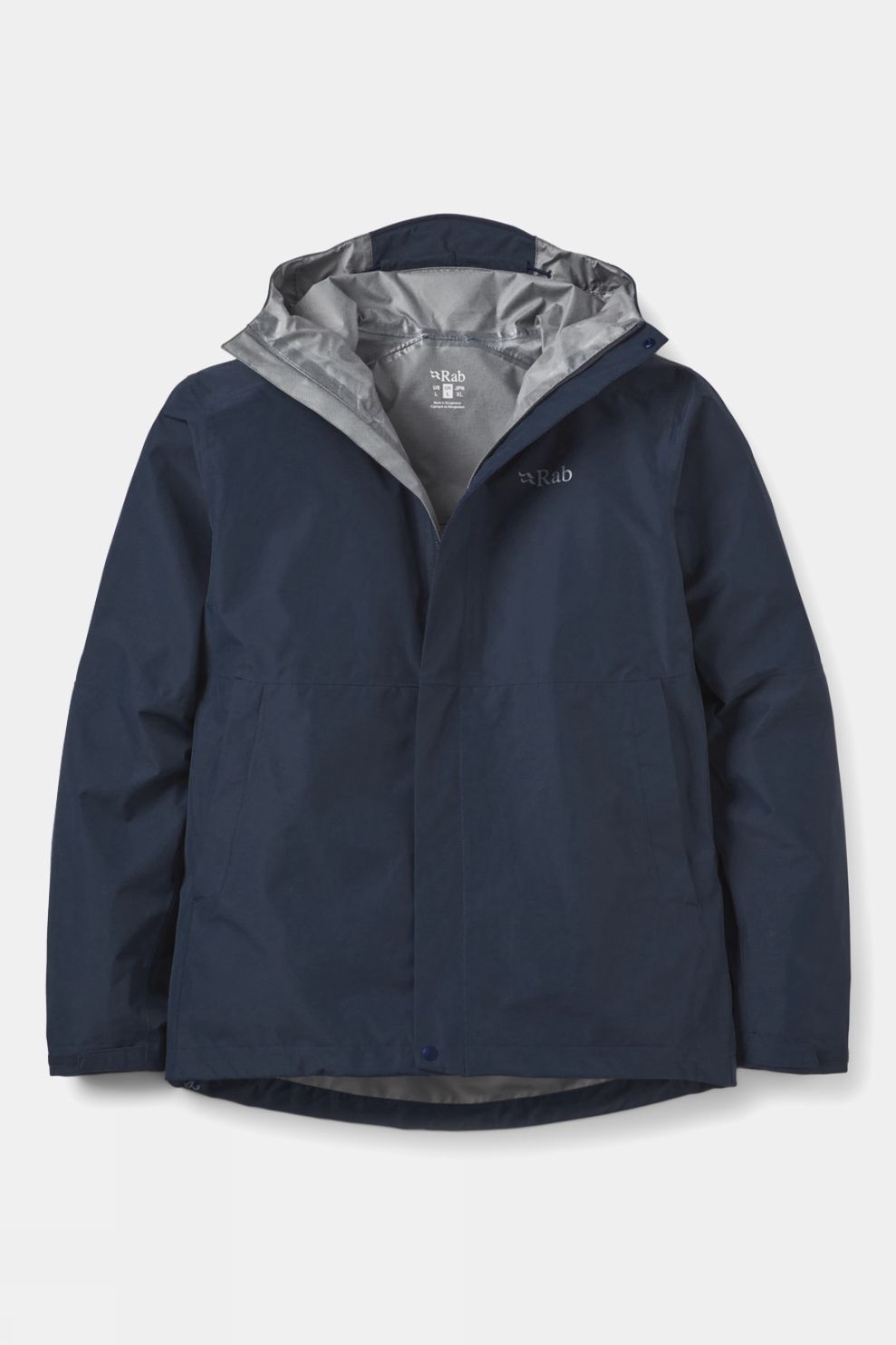
Rab Men's Downpour Jacket – Best Value Waterproof Shell
A dependable waterproof jacket with a 2.5-layer construction, breathable Pertex® Shield fabric, adjustable hood, and compact packable design. Great for hiking, commuting, and unpredictable weather conditions.
Final Thoughts
A rain jacket's performance comes down to what's happening beneath the surface — the shell fabric, the DWR coating, the membrane and the seams. Once you know what to look for, it's a lot easier to tell a genuinely waterproof jacket from one that just looks the part.
Frequently Asked Questions
Most rain jackets use nylon or polyester outer shells combined with a waterproof membrane such as Gore-Tex or similar technologies
Waterproof jackets use membranes and taped seams for full protection, while water-resistant jackets rely mainly on a DWR coating and are suitable only for light rain.
The DWR coating may have worn off, causing the outer fabric to absorb water. Reapplying a DWR treatment can often restore performance.
Gore-Tex is highly respected for waterproofing and breathability, but alternatives like eVent and brand-specific membranes can also perform very well.
A rating between 10,000mm and 20,000mm is generally recommended for reliable protection in heavy rain, while 20,000mm+ is ideal for extreme conditions