
If you often wake up feeling too hot, your blanket could be part of the problem. Some materials trap heat, while others feel lighter and more breathable.
In this guide, I'll explain which blanket materials are best for hot sleepers, which ones to avoid and how to choose a comfortable option for better sleep.
The Short Answer
For hot sleepers, muslin cotton, bamboo viscose and linen are great choices because they're lightweight and breathable. Try to avoid thick materials like fleece, chenille and faux fur, as they can trap heat.
My suggestion: If you want some warmth without feeling too hot, try a lightweight wool blanket.
Why Material Matters More Than Thickness
A thinner blanket isn't always cooler. The material and weave matter more than thickness.
For example, polyester fleece can trap heat, while linen and muslin cotton allow more airflow and can feel cooler.
My suggestion: Look for lightweight, breathable materials rather than choosing a blanket based only on thickness.
Best Materials for Hot Sleepers
Muslin cotton: Lightweight, breathable and easy to wash. Great for warm nights.
Bamboo viscose: Soft and breathable, with moisture-wicking properties that can help you stay comfortable.
Linen: Naturally breathable and good at moving moisture away. A great choice for hot climates.
Lightweight wool: Helps regulate body temperature and can work well if your room gets cool at night.
Percale cotton: Crisp, lightweight and breathable. Good for hot sleepers who prefer a fresh, cool feel.
My suggestion: For the coolest feel, start with muslin cotton or linen. If you want something softer, bamboo viscose is worth considering
Which Blanket Should You Choose?
Not sure which one fits you best? Use this quick guide:
You get hot very easily: Choose a lightweight, breathable blanket.
You live in a hot climate: Linen or muslin cotton is a good starting point.
You prefer a soft, smooth feel: Try bamboo viscose.
You like a crisp, fresh feel: Choose percale cotton.
Your room temperature changes: Consider lightweight wool.
You want something simple and affordable: Cotton is a practical choice.
My suggestion: Don't choose a blanket just because it says “cooling.” Check the fabric, weave, weight and breathability to see if it actually suits your needs.
Materials to Avoid If You Sleep Hot
Some cozy blankets are great for cold sleepers but may feel too warm if you already sleep hot.
Polyester fleece and sherpa: Very warm and soft, but they don't allow much airflow.
Chenille and faux fur: Thick and cozy, but can make you feel hot during the night.
Heavy down or down-alternative blankets: Great for cold weather, but often too warm for hot sleepers.
What Else to Look For Beyond Material
Material matters, but a few other features can make a blanket feel cooler:
Open weave: Looser weaves allow more airflow.
Lightweight design: Thin, low-loft blankets usually feel cooler than thick, puffy ones.
Moisture-wicking: Look for fabrics that help move sweat away from your skin.
Easy care: Cotton and linen are practical choices if you wash your blanket often.
A Few Real Picks for Hot Sleepers
Here are a few options worth considering if you sleep hot:
Riley Textured Cotton Coverlet — Best lightweight cotton
A breathable and lightweight choice for warm nights. Great if you want comfortable coverage without feeling too hot.

Riley Home Textured Cotton Coverlet
A breathable 100% premium combed cotton coverlet with a relaxed textured design, crafted in Portugal and made for comfortable everyday bedding.
Luxome Ultra Plush Throw — Best soft bamboo blend
Soft and comfortable with a breathable feel. A good option if you want cooling comfort with a little extra coziness.

Luxome Ultra Plush Throw
A soft, cozy plush throw designed for relaxing at home, adding warmth and comfort to sofas, beds, and lounging spaces.
Lightweight Linen Blanket — Best for very hot weather
Linen allows plenty of airflow and helps keep you comfortable on hot nights. A great pick for summer or warm climates.
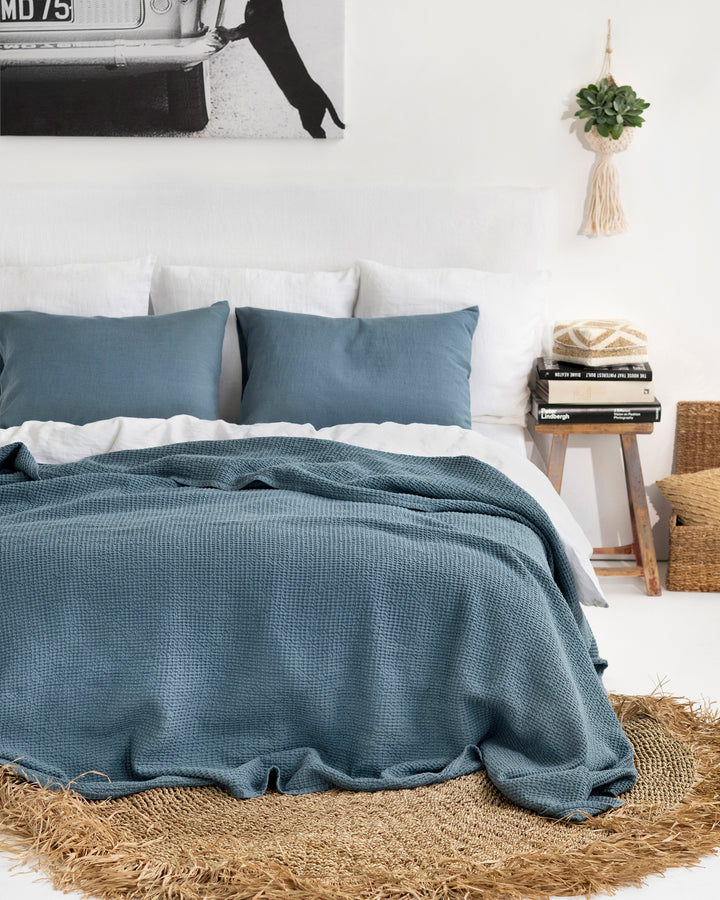
MagicLinen Gray Blue Linen Waffle Blanket
A breathable linen-cotton waffle blanket with a soft, stone-washed finish and versatile design for beds, sofas, or cozy layering.
Lightweight Merino Wool Throw — Best for changing temperatures
Merino wool helps regulate body temperature without feeling too heavy. It's a smart choice if your room gets warm and cool during the night.

Woolx Placid Merino Wool Blanket
A soft merino wool blanket in an understated mauve tone, designed to add natural warmth and a cozy layer to your home.
My suggestion: For summer, start with cotton or linen. If you want something for changing temperatures, lightweight merino wool is worth considering.
Final Take
If you sleep hot, choose the material carefully instead of focusing only on thickness. Muslin cotton, linen and bamboo viscose are great for staying cool, while lightweight wool works well if your room temperature changes.
Try to avoid thick fleece, chenille, faux fur and heavy down as your main blanket if you often overheat.
My suggestion: Choose a lightweight, breathable blanket and check for seasonal deals before buying.
Frequently Asked Questions
Muslin cotton and linen are generally considered the coolest options because of their open, breathable weaves, with bamboo-derived viscose blends close behind for their added moisture-wicking properties.
Cotton, especially a lighter weave like muslin or percale, is significantly better for hot sleepers than fleece. Fleece's dense fiber structure traps heat and moisture close to the body, while cotton allows more airflow.
Yes, if it's a lightweight wool blanket rather than a heavy one. Wool naturally wicks moisture and regulates temperature, which can actually help prevent overheating compared to synthetic materials, despite wool's reputation as a warm-weather fabric.
Generally, yes. Loft refers to how puffy or thick a blanket is, and lower-loft blankets tend to trap less heat than high-loft, pillowy styles like plush comforters or duvets.
Often the main difference is an added moisture-wicking treatment or a fiber blend, like bamboo-derived viscose, specifically chosen to pull sweat away from the skin, on top of the same breathable, open-weave construction a good lightweight cotton or linen blanket already has.